AI tools cannot tell what you do
Pages are vague, services are mixed together, and the business entity is not clear.
 Get Project Plan
AI Search Optimization
We structure your pages, service definitions, FAQs, schema, proof, and entity signals so AI answer systems can understand what you offer and why it is trustworthy.
Who this is for
AI search optimization is for businesses that want to be easier for ChatGPT, Perplexity, Google AI Overviews, and other answer systems to understand, summarize, and recommend.
Pages are vague, services are mixed together, and the business entity is not clear.
Good knowledge exists in the business but not in direct answers, FAQs, proof, or service definitions.
Answer systems need clear relationships between business, services, locations, proof, and pages.
Reporting does not separate referrals, assisted traffic, or content that AI search may be surfacing.
What is included
This service improves page clarity, service definitions, direct answers, schema, entity consistency, and measurement.
We define who the business is, what it offers, where it works, and which pages prove it.
We add concise answers, FAQs, comparisons, and explanations that AI systems can parse.
We align headings, internal links, schema, breadcrumbs, and proof around the service model.
We review AI-related referrals, landing pages, queries, and content opportunities where data is available.
Tell us what exists now, what result you need, and what blocks progress. We will reply with the practical scope and next step.
Choosing the right scope
AI search builds on clear, useful pages. Thin content does not become strong just because it mentions AI.
If buyers use AI tools to compare options, direct answers and structured proof become more important.
The best AI-ready pages are also good SEO pages: clear, specific, structured, and helpful.
Pricing
AI search optimization cost depends on page count, service complexity, existing structure, schema needs, proof materials, and reporting setup.
A few key service pages are smaller than a full website content system.
Technical or high-consideration services need deeper definitions, comparisons, and FAQs.
Service, FAQ, organization, breadcrumb, and case proof structure add scope.
AI systems and buyers both need evidence: cases, screenshots, reviews, process, and outcomes.
Proof
The work should make pages clearer for people first, then easier for AI and search systems to understand.
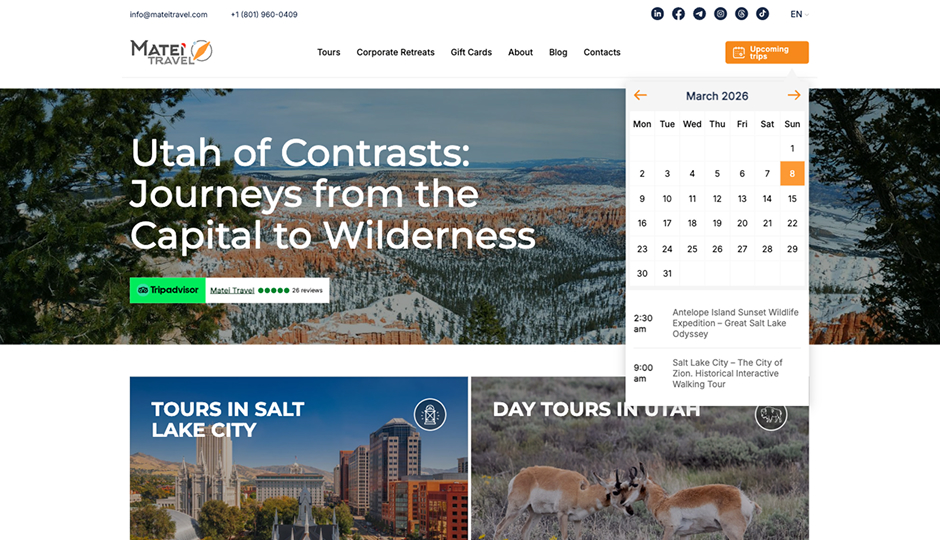
Search to sale
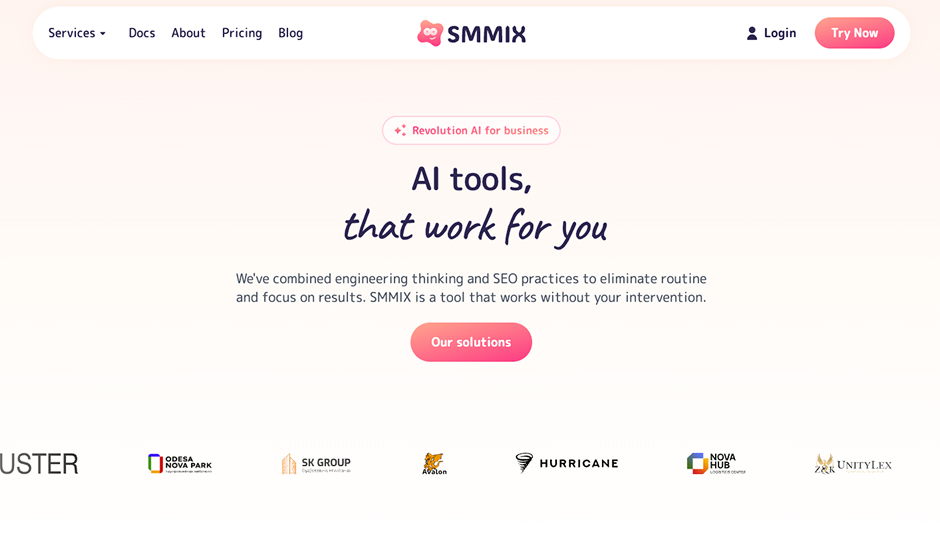
SaaS product
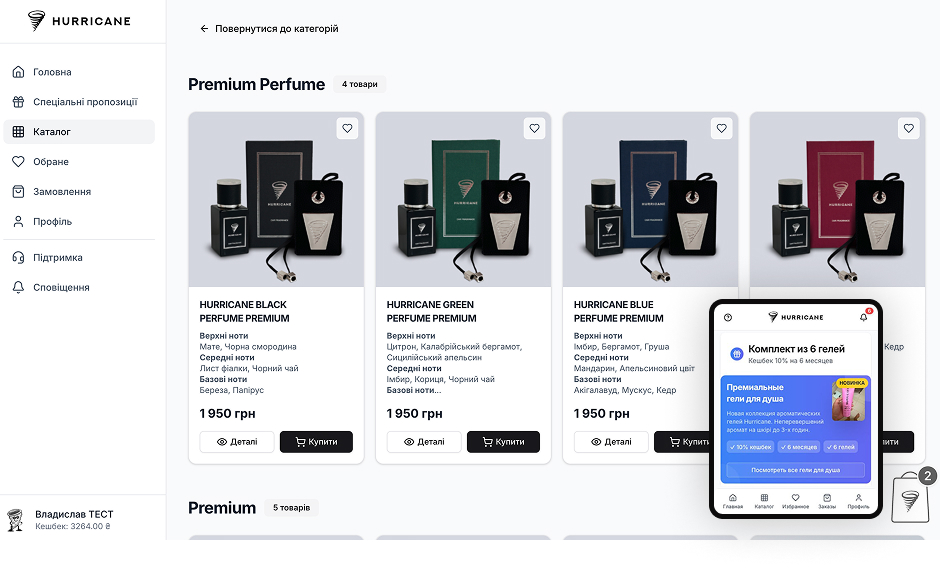
Connected commerce
What happens after you reach out
We inspect services, pages, schema, internal links, locations, proof, and answer quality.
We show what makes the business hard to understand and what to fix first.
Definitions, answer blocks, FAQs, proof, and internal links are improved.
Structured data supports the page relationships without replacing useful content.
Referral data, landing pages, and search trends guide what to improve next.
Next step
Send your website and the services you want AI tools to understand. We will reply with the first clarity and structure fixes.
FAQ
No. AI systems choose sources through processes no vendor controls. We improve clarity, structure, trust signals, and content quality so the site is easier to understand.
It overlaps heavily. AI search optimization emphasizes direct answers, entity clarity, schema, and structured proof, while still supporting normal SEO.
Yes. Service, FAQ, organization, breadcrumb, and other relevant schema can be included where they match the page.
Sometimes. Many sites need better service definitions, FAQs, comparisons, and proof sections.
Yes. Clear service, location, review, and profile signals help AI tools understand local relevance.
We review referral traffic, landing pages, search visibility, conversions, and content gaps. AI search measurement is still imperfect, so we report what can be verified.
Keep exploring
Service pages, trust, forms, CRM routing, and analytics built into the website from day one.
Focused campaign pages for one offer, one audience, and one measurable action.
Search structure, content, booking, payments, and analytics turning visibility into paid orders.
AI Search Optimization in Utah & across the US
AI search optimization — often called GEO (generative engine optimization) or AEO (answer engine optimization) — is the work of making a business easy for AI systems like ChatGPT, Perplexity, Google AI Overviews, and Microsoft Copilot to understand, summarize, and cite. Otherwise Solutions provides AI search optimization for businesses in Utah and across the United States, built on the same foundation as traditional SEO rather than as a replacement for it.
The shift is real: a growing share of buying research now ends in an AI answer instead of a list of links. Businesses that are structured clearly get named in those answers. Businesses that are vague get skipped — no matter how good the actual service is.
Answer engines retrieve pages and ground their responses in what those pages say. That makes the requirements concrete:
They are one system, not two budgets. Traditional SEO earns the crawl, the index, and the authority; AI search optimization makes the indexed content quotable. Thin pages do not become citable by mentioning AI — which is why weak sites should start with Google and Bing SEO or service page SEO and add answer-engine work on top of a sound foundation.
Three patterns hold across platforms. First, answer engines favor passages that stand on their own — a paragraph that defines, quantifies, or compares without needing the rest of the page for context. Second, they favor the beginning: the opening sentences of a page and of each section get cited far more often than buried conclusions, which is why we front-load every key fact. Third, they cross-check entities — a business whose name, services, and locations match across its website, Google Business Profile, and schema is safer to cite than one with conflicting signals.
On Matei Travel we applied this exact combination — restructured pages, direct answers, schema, and entity consistency. Google clicks grew 196% in two months, the site became visible in AI search traffic, and organic visits converted into paid bookings. We documented the local angle in SEO, AEO, and GEO explained.
Scope is set by page count, service complexity, and how much structure already exists. Measurement is honest: AI platforms do not report impressions the way Google does, so we track what can be verified — AI referral traffic, landing pages, branded search growth, and conversions — and say plainly what cannot be measured yet. Reporting runs through analytics and conversion tracking.
It fits businesses whose buyers research with AI tools before making contact: high-consideration services, B2B, local companies being compared in "best near me" questions, and brands whose category gets summarized by assistants. When ongoing content is part of the strategy, production can be systematized with AI content systems.
Contact
Send the basics: what you need, what exists now, and what business result matters. We will review it and reply with the next practical step.
Contact
Use the same contact form. Tell us what you need and we will reply with the next step.
Request sent
Your message was delivered. We will review the project details and reply with the next practical step.