Your current site loses leads
Visitors land, scan, and leave — because the pages do not explain what you do, for whom, or what to do next. The traffic exists; the quote requests do not.
 Get Project Plan
Multi-Page Website Development
For service businesses and B2B teams: we plan your service pages, draft conversion copy with you, build an SEO-ready site, and connect forms, CRM, and analytics — with scope and price fixed before development starts.
Who this is for
A business website is a multi-page site that presents your services, proof, and contact paths — built to bring quote requests, not just to exist. Otherwise Solutions builds them for service businesses and B2B teams in Utah and across the US. If one of these sounds like you, this page is for you.
Visitors land, scan, and leave — because the pages do not explain what you do, for whom, or what to do next. The traffic exists; the quote requests do not.
In service industries, buyers shortlist two or three providers before contacting anyone. The website with the clearer offer, proof, and easy next step gets the call.
A new business needs positioning, page structure, and trust signals right the first time — not a template filled in a weekend and rebuilt in a year.
If your services need explaining, the website should do the first half of every sales call: answer the common questions, show proof, and qualify the lead before anyone talks.
What's included
Business website development at Otherwise Solutions includes five things: strategy and sitemap, service pages with conversion copy, a responsive SEO-ready build, forms routed to your CRM, and analytics with lead tracking. Each one exists for the same reason — turning visitors into quote requests.
We map the business goal first, then plan the pages around it — so the structure sells before a single screen is designed.
A page for each service, written to explain the offer, answer doubts, and ask for the action. You bring the knowledge; we draft the copy.
Fast on mobile, clean in code, and structured so Google and AI answer engines can understand and recommend the pages.
Quote forms placed where decisions happen, routed to your inbox or CRM the moment they are sent — so no lead cools off waiting.
Every form fires a conversion event from day one, so you see which pages and sources produce quote requests — in numbers, not impressions.
Tell us what you sell and what the website should achieve. We will reply with a sitemap draft, a fixed scope, and a price — before you commit to anything.
Price calculator
One-page websites from $900, multi-page websites from $2,100, and online stores from $2,800. Pick what your project needs and get an instant ballpark — the final quote is always scoped individually.
Pricing
Business website cost depends on four factors: how many pages the structure needs, how ready your content is, how custom the design goes, and which integrations the site connects to. We fix the scope, timeline, and price before development starts — the budget is known before any code is written.
Five service pages cost less than twenty. The sitemap we agree on up front decides this — and keeps it from growing mid-project.
Drafting copy from interviews takes longer than refining text you already have. Either way, writing is included — it just shapes the timeline.
A clean build on a proven structure costs less than fully custom art direction. Both convert; the right choice depends on your market.
Forms to inbox is simple. CRM pipelines, booking flows, and automation add scope — and usually pay for themselves in saved follow-up hours.
Choosing the right build
A business website is the right build when customers compare providers before contacting anyone: multiple services to explain, trust to earn, and search traffic to win over time. It presents the whole company — services, proof, and contact paths — and keeps producing leads long after a campaign ends.
A landing page is enough when there is one offer, one audience, and one action — a paid campaign, a launch, a seasonal promotion. It is faster and cheaper, but it does not build search visibility or present the company. If that is your situation, a landing page build is the smaller, better-fitting project.
Decide by the buying behavior, not the budget: if customers research and compare, build the website; if they arrive from one campaign ready to act, build the landing page. For the technical side of fast, SEO-ready websites, read Svelte vs. React vs. Vue in 2026.
Proof
Real builds with real numbers — including a website that grew Google clicks 196% in two months and now brings paid orders from organic search.
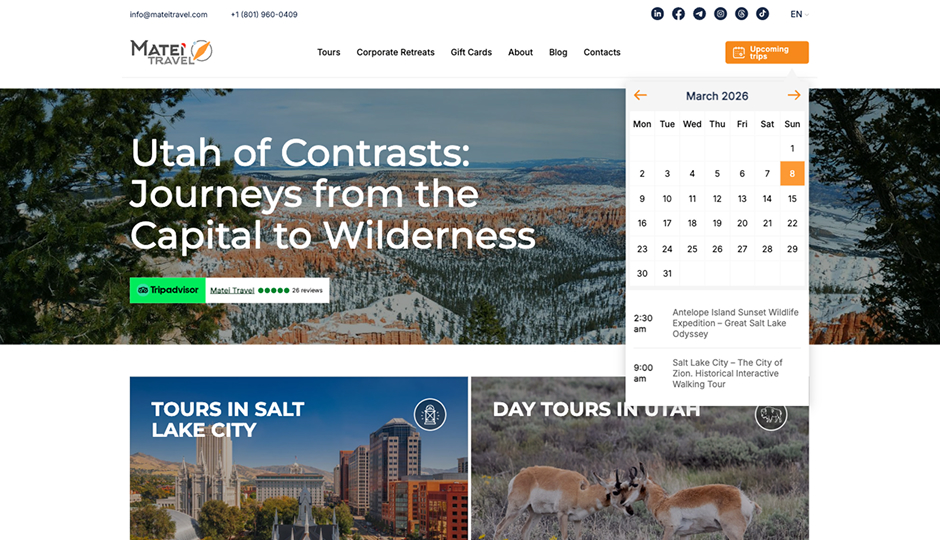
Travel e-commerce
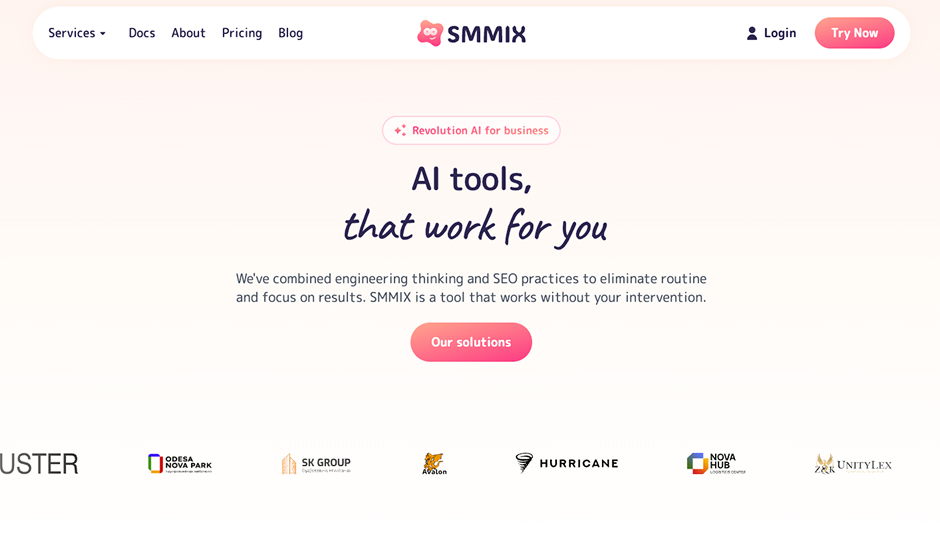
SaaS AI platform
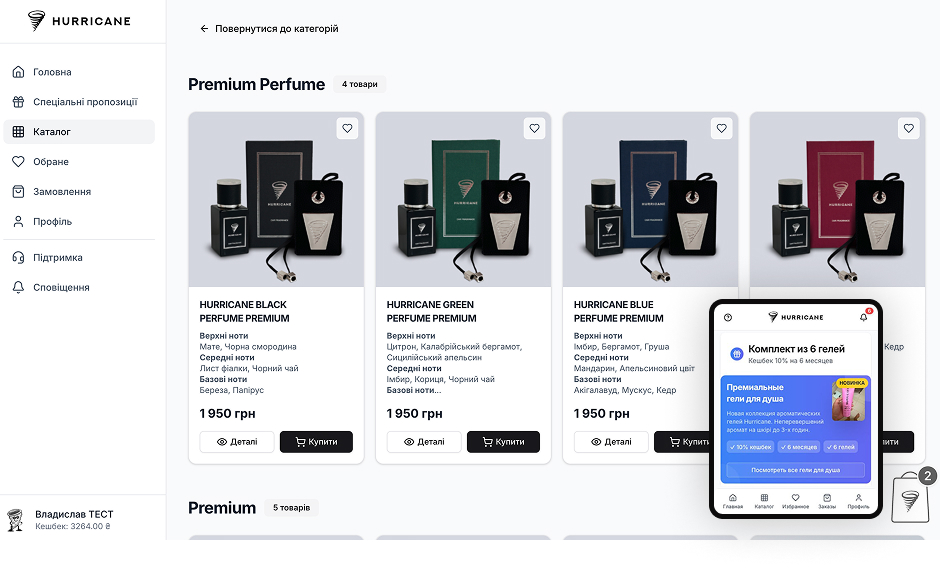
Web app + eShop
What happens after you reach out
You describe the business and what the website should achieve; we ask the right questions about customers, services, and current tools. First reply within one business day.
A page-by-page plan built around buyer questions, with a fixed scope, timeline, and price — agreed before development starts.
Copy and design take shape where you can watch them — feedback lands while changes are still cheap, not after a big reveal.
Forms reach your inbox or CRM, tracking fires on every conversion, and pages are tested on real devices before anyone calls it done.
You go live with analytics running and a plan for what to improve next — based on which pages produce quote requests, not opinions.
Next step
Send what your business does, what exists now, and the result you want. We will reply within one business day with a sitemap draft, a fixed scope, and a clear next step.
FAQ
The cost depends on four things: how many pages the structure needs, how ready your content is, how custom the design goes, and which integrations the site connects to. We fix the scope, timeline, and price before development starts — so the budget is known before any code is written.
Most business websites take a few weeks from approved scope to launch. The timeline is part of the fixed scope, so you know the launch window before development starts. Content readiness is the most common variable — sites where copy is drafted early launch fastest.
Not necessarily. If the structure is sound, we can restructure pages, rewrite weak copy, connect forms to a CRM, and add tracking to what you have. A rebuild is a recommendation we make when improving costs more than rebuilding — never a default.
We do, with you. We plan the page structure, interview you for the business knowledge, and draft conversion-focused copy that explains the offer and asks for the action. You review and correct facts; you never start from a blank page.
Every build ships SEO-ready: clean headings and URLs, metadata, fast mobile load, internal links, and schema markup that helps Google, ChatGPT, and AI Overviews understand the pages. Rankings then grow with content and time — we never guarantee positions, and we say so upfront.
Analytics and conversion tracking are live from day one, so quote requests, lead sources, and page performance are numbers on a dashboard. After launch we can review the data, improve conversion, and add pages at the pace your business needs.
Keep exploring
Stores, landing pages, custom software, and mobile apps — the full development picture beyond business websites.
Page structure, visual hierarchy, and CTA flow — design that makes the offer easier to understand and choose.
Once the website is live, SEO turns its structure into steady search traffic — and analytics shows what converts.
The flagship build — website, booking platform, and content engine that turned organic search into a sales channel.
A practical framework comparison for fast, SEO-ready, safer websites in 2026.
Business websites in Utah & across the US
Business website development is the planning, writing, design, and build of a multi-page company website made to generate leads. At Otherwise Solutions it covers website strategy and sitemap, service pages with conversion copy, a responsive SEO-ready build, forms routed to a CRM, and analytics with lead tracking — delivered as one project with a fixed scope and price.
We build business websites for service businesses, B2B companies, and startups in Salt Lake City, Lehi, Provo, Draper, Sandy, Ogden, and Utah County, and for remote teams across the United States. Location does not change the process: scope first, a staging link during the build, and a tested launch with tracking live.
An SEO- and AI-ready website has clean heading structure, descriptive URLs and metadata, fast mobile load, internal links between services, and schema markup — so Google, ChatGPT, Perplexity, and AI Overviews can understand who the company is and what it offers. Every build ships with this structure included, because a lead-generation website that search engines cannot read is only doing half its job. The page-level discipline behind it is described in service page SEO; the same structure is what AI assistants cite, which is the territory of AI search optimization.
A business website presents the whole company and earns leads and search traffic over time; a landing page serves one campaign with one action; an online store exists to sell products with catalog, checkout, and payments. Most businesses eventually need more than one — but rarely at the same moment. The framework choice behind that build is covered in Svelte vs. React vs. Vue in 2026.
Business website pricing is scope-based: page count and structure, content readiness, design depth, and integrations decide the cost. Otherwise Solutions fixes the scope, timeline, and price before development starts, so a business website costs what was agreed — not what accumulated. A focused site for a local service business costs less than a deep B2B site with CRM and booking integrations.
Three inputs decide most of the quality: the list of services you actually want to sell (not everything you can do), the proof you already have — projects, reviews, numbers, photos — and an hour of interview time with the person who talks to customers. From that we draft the sitemap and page-by-page content plan before any design begins, so the structure is agreed while changes are still free.
The reference build is Matei Travel: strategy, design, service and tour pages, Stripe booking, and SEO delivered as one project. Within two months of launch the restructured pages grew Google clicks by 196%, and organic visits started converting into paid bookings — trackable in the order data, not just in analytics charts.
After launch, the website becomes a measured system: analytics shows which pages and sources produce quote requests, and the improvement plan grows from that data. We stay available for conversion improvements, new service pages, integrations, and SEO — and when inquiry volume grows, CRM routing and follow-up automation keep the leads from outpacing the team.
Contact
Send the basics: what you need, what exists now, and what business result matters. We will review it and reply with the next practical step.
Contact
Use the same contact form. Tell us what you need and we will reply with the next step.
Request sent
Your message was delivered. We will review the project details and reply with the next practical step.