AI drafts sound generic
Without source material, brand rules, and review steps, AI produces content that could belong to anyone.
 Get Project Plan
AI Content Systems
We build controlled content workflows for research, briefs, drafting, review, repurposing, and publishing so AI supports the team instead of replacing judgment.
Who this is for
AI content systems help when your team needs consistent SEO, social, email, or campaign output but cannot rely on random prompts and unreviewed drafts.
Without source material, brand rules, and review steps, AI produces content that could belong to anyone.
Research, drafting, review, approvals, and repurposing are not connected into one workflow.
Articles and service pages need intent, outline, internal links, FAQs, and proof before drafting.
AI output needs human review, factual correction, and publishing rules.
What is included
This service builds the workflow, templates, source rules, review steps, and publishing handoff.
We map research, briefing, drafting, review, approval, repurposing, and publishing steps.
Prompts, briefs, examples, tone rules, and source requirements keep output grounded.
The system can turn approved inputs into page drafts, posts, emails, summaries, and variants.
Human review and performance data decide what content to improve or scale.
Tell us what exists now, what result you need, and what blocks progress. We will reply with the practical scope and next step.
Choosing the right scope
If the team needs ongoing briefs, posts, emails, or page drafts, a workflow beats one-off prompting.
If buyers search for services, build the service pages before broad content production.
A calendar without research, drafting, and review process just schedules bottlenecks.
Pricing
AI content system cost depends on output types, template depth, source material, review rules, tool integrations, and publishing workflow.
SEO briefs, blogs, social posts, emails, and landing pages each need different templates.
Clear examples, services, cases, and brand rules lower risk and improve output quality.
More factual, legal, or brand review requirements add process design.
CMS, docs, project tools, SEO tools, and approval systems add connection work.
Proof
The value is not faster filler. The value is a repeatable workflow that turns expertise into useful content.

Search to sale
SaaS product
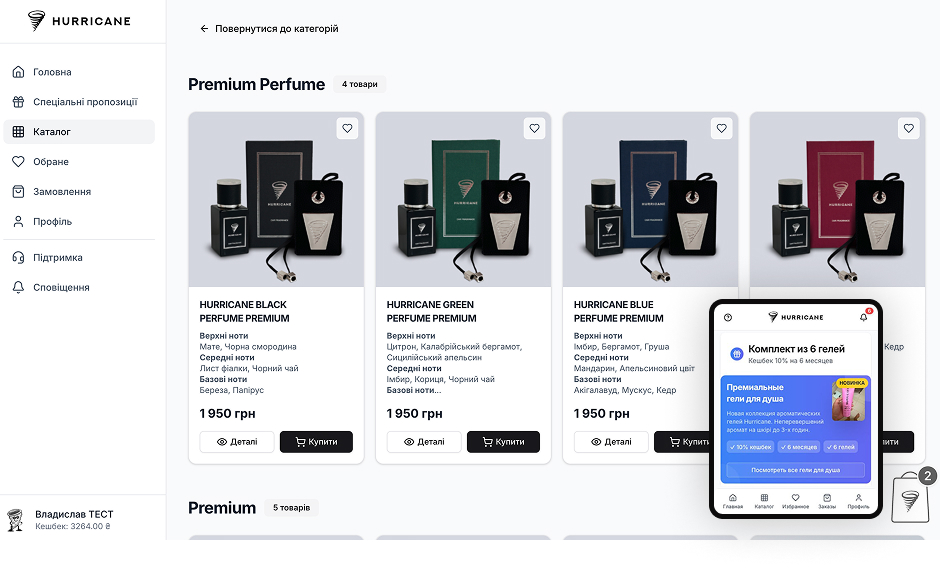
Connected commerce
What happens after you reach out
We identify channels, topics, sources, approval requirements, and publishing cadence.
Templates, tools, owners, and review rules are defined before build.
Briefs, prompts, source rules, drafts, and repurposing steps are created.
The workflow is tested on actual topics and corrected before rollout.
Search, engagement, and team feedback improve templates over time.
Next step
Send your content goals, channels, and current workflow. We will reply with the first AI content system scope.
FAQ
No. The system supports research, drafting, and repurposing, but human review and approval stay in the workflow.
Yes. SEO briefs, service page drafts, FAQs, and supporting content can be part of the workflow.
Yes. Approved source material can be repurposed into social posts, email drafts, and campaign variants.
By using source requirements, examples, brand rules, review checklists, and factual correction steps.
Yes, when the tools support the needed workflow and access.
Publishing can be included if it is part of the agreed workflow.
Keep exploring
Portals, dashboards, APIs, admin panels, and workflows when the business needs its own system.
Service pages, trust, forms, CRM routing, and analytics built into the website from day one.
A paid AI SaaS product with subscription billing and multi-model content workflows.
AI Content Systems in Utah & across the US
An AI content system is a controlled workflow — research, briefs, drafting, review, repurposing, publishing — that lets a team produce more content without publishing generic filler. Otherwise Solutions builds these systems for marketing and SEO teams in Utah and across the United States, with human review kept in the loop by design.
The difference between a system and a prompt is the difference between output you can publish and output you have to rewrite. Source material, brand rules, templates, and review steps are what keep AI drafts grounded in the actual business.
The need usually appears at a specific moment: the team knows content drives its SEO and AI visibility, has proven a few pieces work, and cannot scale production without either hiring writers or accepting generic output. A content system is the third option — the expertise stays in-house, the mechanics get automated, and the review step keeps the bar where it was.
A concrete example for an SEO content pipeline: search data and customer questions feed a topic backlog; each topic gets a brief with intent, outline, internal links, and required sources; AI produces a draft constrained to those sources; an editor checks facts, sharpens claims, and approves; the approved piece is repurposed into social and email variants; performance data flows back into the next round of briefs. Every step has an owner and a template, which is why output stays consistent when the team is busy — the weeks when content usually stops.
We built the extreme version of this system as a product: Blogent, a SaaS platform whose AI SEO Blog analyzes a website, plans topics, writes research-driven articles, and publishes daily — running on OpenAI, Anthropic, and Google models with Stripe subscriptions on top. Client content systems use the same architecture at the scope a team actually needs.
Source material and a reviewer. The system runs on what makes your business specific: service details, real project examples, customer questions, pricing logic, and the opinions your experts actually hold. A subject-matter reviewer spends a fraction of the time writing would take — typically minutes per piece instead of hours — but that fraction is what separates publishable content from plausible-sounding text. Teams that cannot commit a reviewer should fix that constraint before buying any content tooling.
Every workflow includes source requirements (what the AI may draw from), brand voice rules, a review checklist, and a named approver. AI accelerates research, drafting, and repurposing; humans own facts, claims, and judgment. That split is non-negotiable, because the cost of a wrong public claim always exceeds the cost of review.
Scope follows output types and review depth: one channel with one template is the smallest system; multi-channel production with CMS integration and approval flows is the largest. If service pages do not exist yet, build those first — content volume cannot fix a missing commercial foundation. For the trust signals AI systems read beyond your site, see how to earn AI trust in your brand.
Contact
Send the basics: what you need, what exists now, and what business result matters. We will review it and reply with the next practical step.
Contact
Use the same contact form. Tell us what you need and we will reply with the next step.
Request sent
Your message was delivered. We will review the project details and reply with the next practical step.