The team copies data between tools
CRM, spreadsheets, email, invoices, and reports all hold a different version of the truth. People spend hours moving data instead of using it.
 Get Project Plan
Custom Software & SaaS Development
For teams that have outgrown spreadsheets, manual reports, disconnected tools, and SaaS workarounds: we map the workflow, build the portal, dashboard, platform, or integration, and launch it with tracking from day one.
Who this is for
Custom software is the right build when the business process is valuable enough that spreadsheets, generic SaaS, and manual handoffs are costing time, revenue, or visibility. Otherwise Solutions builds custom platforms for teams in Utah and across the US when the workflow needs its own system.
CRM, spreadsheets, email, invoices, and reports all hold a different version of the truth. People spend hours moving data instead of using it.
Status updates, files, bookings, orders, referrals, or reports keep moving through inboxes. A portal gives each user the right access and the right next step.
The team pays for tools, then pays again in workarounds. When the workaround becomes the workflow, custom software starts making business sense.
A SaaS idea needs accounts, onboarding, billing, admin controls, and usage tracking — not just a clickable prototype.
What's included
Custom software development at Otherwise Solutions includes workflow mapping, product scope, dashboards or portals, integrations, automation, analytics, and launch support. We build the smallest system that removes the real constraint.
We map how work moves today, where it breaks, who owns each step, and what the first version must prove.
Interfaces for the people who use the system daily: customers, partners, staff, managers, and admins.
For paid products: accounts, onboarding, plans, billing, product flows, and the admin controls needed to run them.
The system connects to the tools that already run the business, so data stops getting retyped.
We launch with measurement, monitoring, and a next-phase backlog based on real usage, not feature guesses.
Tell us where the process breaks, which tools you use, and who needs access. We will reply with the smallest useful software scope and a fixed price.
Choosing the right build
Use an existing tool when the workflow is standard, the data model fits, permissions are simple, and the team can adopt it without fragile workarounds. Buying software is usually cheaper than building software when the business does not need a custom process.
Build custom when the workflow creates business advantage, the data needs one source of truth, users need different permissions, or existing tools force so much manual work that the workaround becomes the cost. Custom software should replace repeated operational drag, not add another dashboard.
Decide by cost of the workaround. If the team loses hours every week, customers wait, reports cannot be trusted, or a paid product needs to exist, custom software may be the smaller long-term cost. If not, fix the current stack first or use automation.
Pricing
Custom software cost depends on user roles, workflows, data model, integrations, permissions, reporting, and launch requirements. We fix the first scope, timeline, and price before development starts.
A simple admin tool costs less than a system with customers, partners, staff, managers, and different data access rules.
One approval flow is smaller than a full operations system with assignments, statuses, notifications, files, and reporting.
CRM, Stripe, email, calendars, APIs, and legacy tools add scope because the system must respect each source of truth.
Dashboards, audit trails, monitoring, and edge-case testing add work, but they are what make the system trustworthy after launch.
Proof
Custom systems should charge customers, route work, connect data, and report clearly — not sit as polished demos.
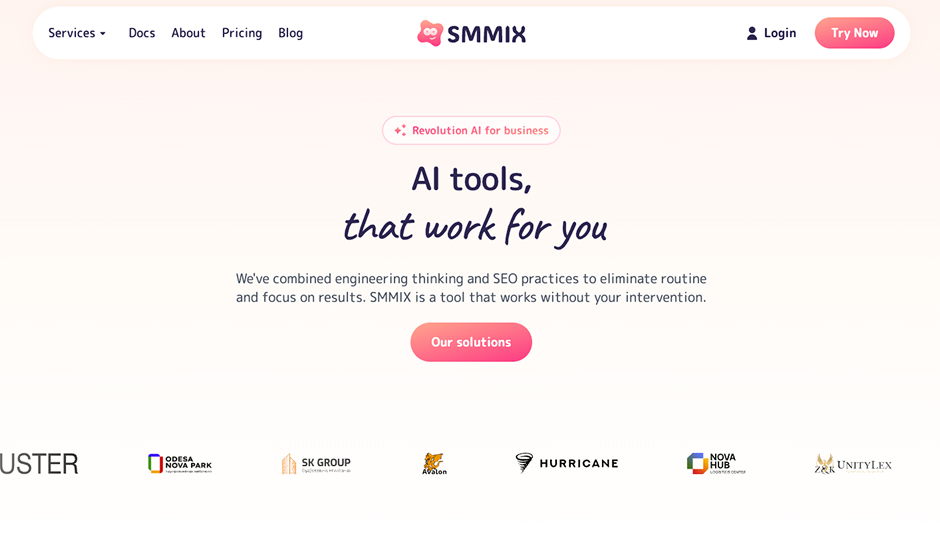
SaaS AI platform
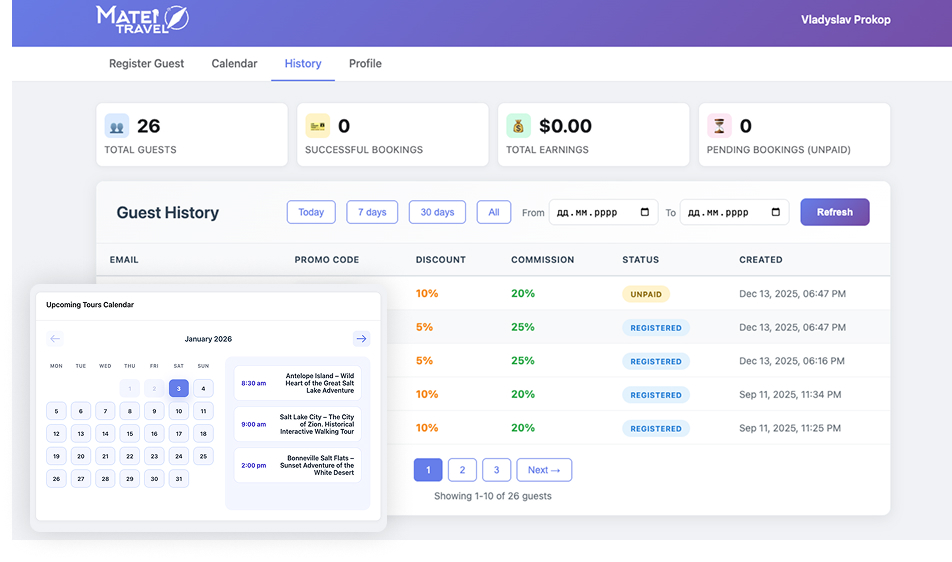
Partner portal
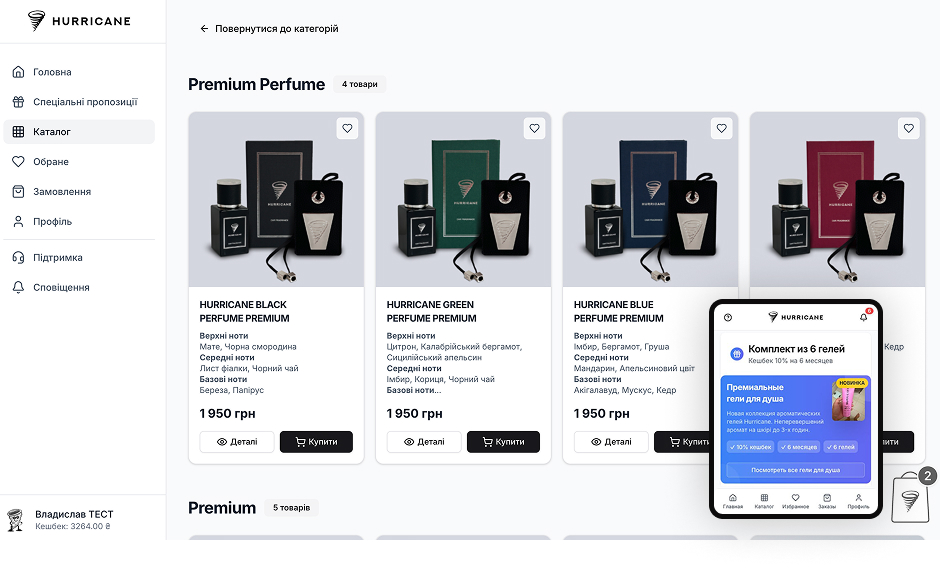
Commerce platform
What happens after you reach out
You describe the process, users, tools, and pain points. We identify the source of truth and where manual work costs the most. First reply within one business day.
User roles, first-version features, integrations, timeline, and fixed price — agreed before development starts.
The system takes shape in a staging environment where real workflows can be reviewed before launch.
Permissions, forms, payments, APIs, notifications, missing data, and failure paths are tested before users depend on the system.
The first version ships with monitoring and analytics. The next version is planned from real user behavior and operational needs.
Next step
Send the workflow, tools, users, and result you need. We will reply within one business day with a first-version software scope and clear next step.
FAQ
Custom software cost depends on user roles, workflows, integrations, data model, permissions, reporting, and launch requirements. We fix the first scope, timeline, and price before development starts.
Use an off-the-shelf tool when it fits the workflow. Build custom software when the process, data, permissions, or customer experience are important enough that workarounds cost more than a dedicated system.
Yes. We scope the smallest paid product that proves the business case: accounts, core workflow, billing when needed, admin control, analytics, and a launch path.
Yes. We map the spreadsheet, define the source of truth, build the workflow, and create dashboards so the team stops copying the same data between tools.
Yes. CRM, Stripe, email, Slack, calendars, spreadsheets, project tools, and custom APIs can connect when they are part of the agreed scope and have the required access.
The first version launches with tracking, monitoring points, and a backlog based on real usage. Improvements are planned from what users and operations actually need next.
Keep exploring
When the workflow can be improved by connecting existing tools before building a full custom platform.
When the custom workflow needs to live on iOS and Android for customers, drivers, field teams, or members.
A paid AI SaaS platform with subscriptions and multi-model AI integrations.
Custom software in Utah & across the US
Custom software development is the planning, design, and build of a dedicated system around a business workflow. At Otherwise Solutions it can include customer portals, partner dashboards, admin panels, SaaS platforms, APIs, integrations, automation, reporting, permissions, and analytics — for startups, service businesses, operations teams, and product companies in Salt Lake City, Lehi, Provo, Draper, Sandy, Ogden, and across the United States.
The first decision is always whether to build at all. Custom software is worth building when it removes repeated manual work, creates a better customer or partner experience, gives the business reliable data, or becomes a paid product. It is not worth building when an existing tool solves the problem cleanly — and we say so when that is the case, because a build without a business case becomes maintenance debt.
The middle option gets skipped too often. Many workflow problems are solved by connecting existing tools or a structured CRM at a fraction of custom development cost. Custom software wins when the workflow needs its own data model, roles and permissions, customer-facing interfaces, or product-grade reliability — the point where glued-together tools start failing quietly.
Custom software pricing is scope-based: user roles, workflow depth, data model, integrations, permissions, reporting, and launch needs decide the cost. Otherwise Solutions fixes the first-version scope, timeline, and price before development starts, so the first build has a clear business case. The first version is deliberately the smallest system that produces real value — proven in use, then extended.
Custom software fails in known ways: scope that grows mid-build, a data model that does not match how the business actually works, integrations discovered late, and a launch with no owner for bugs and questions. The countermeasures are structural — fixed first-version scope, the data model reviewed against real records before code, integration access confirmed in week one, and a support arrangement agreed before launch rather than negotiated during the first incident.
Blogent is a SaaS AI platform we designed and built end to end: Stripe subscriptions, onboarding, and AI integrations with OpenAI, Anthropic, and Google models. Matei Travel runs a custom booking platform with payments, QR ticket check-in, and a partner referral system. Hurricane connects storefront, CRM, loyalty, and mobile apps through one API. Interface and UX for these systems come from product design on the same team.
Private software does not usually need SEO, but the public product pages around it do. For SaaS and customer-facing platforms, we build the marketing pages, structured service pages, schema, FAQ content, and analytics that help Google and AI tools understand the product.
After launch, custom software becomes a measured operating system. Analytics, support requests, workflow bottlenecks, and user behavior show what to improve next. We add features, integrations, reports, automation, and mobile app extensions as the system proves its value.
Contact
Send the basics: what you need, what exists now, and what business result matters. We will review it and reply with the next practical step.
Contact
Use the same contact form. Tell us what you need and we will reply with the next step.
Request sent
Your message was delivered. We will review the project details and reply with the next practical step.