Customers need repeat access
Bookings, loyalty, orders, memberships, messages, tickets, or account data keep bringing users back. A website visit is not enough.
 Get Project Plan
Mobile App Development
For booking, loyalty, customer accounts, field teams, portals, and mobile workflows: we plan the first version, design the flows, build for iOS and Android, connect the backend, and support the app store launch.
Who this is for
A mobile app is worth building when users need to come back, log in, book, buy, scan, track, receive notifications, or work in the field. Otherwise Solutions builds iOS and Android apps for businesses in Utah and across the US when mobile access changes the business outcome.
Bookings, loyalty, orders, memberships, messages, tickets, or account data keep bringing users back. A website visit is not enough.
Field staff, drivers, sales reps, or operations teams need forms, statuses, checklists, photos, and updates in their pocket.
Screens are easy to imagine. Accounts, permissions, payments, data sync, admin tools, and support flows are where app projects usually get real.
Slow load, confusing flows, broken tracking, weak onboarding, and app store issues make users leave before the app can prove value.
What's included
Mobile app development at Otherwise Solutions includes app strategy, UX flows, iOS and Android build, backend integration, analytics, testing, and app store launch support. The app is scoped around the job users actually need done.
We define why the app should exist, who opens it, what they do first, and what belongs in the first version.
Mobile screens designed around repeated use: fast actions, clear states, readable data, and obvious next steps.
One product plan across both platforms, with app behavior tested where users will actually use it.
The app connects to the systems that make it useful: data, accounts, payments, bookings, CRM, and admin controls.
We test the app, prepare the release, and set up tracking so the first version teaches you what to improve next.
Tell us who uses the app, what they need to do, and what systems it must connect to. We will reply with a first-version scope and fixed price.
Choosing the right build
A mobile website is better for public information, SEO, one-time visitors, service pages, blog content, and first-contact conversion. If the user only needs to read, compare, and submit a form, start with a strong business website or landing page.
A mobile app is the right build when users return often, need accounts, receive notifications, book repeatedly, track status, use loyalty, access private data, or perform work in the field. The app must give users a reason to keep it installed.
Decide by repeat behavior. If the same user needs the same workflow again and again, an app can make sense. If the business only needs visibility and leads, build the website first. If the app is mostly a private workflow, start with custom software and extend it to mobile when needed.
Pricing
Mobile app cost depends on user roles, screens, backend features, integrations, authentication, payments, notifications, testing, and app store launch requirements. We fix the first-version scope, timeline, and price before development starts.
A customer loyalty app costs less than a multi-role system for customers, staff, admins, and partners.
Static content is simple. Accounts, databases, permissions, sync, payments, and admin panels add the real scope.
CRM, booking, store, Stripe, maps, notifications, and custom APIs add work because the app must stay aligned with other systems.
Device testing, analytics, crash reporting, app store assets, and release support are part of making the app usable after launch.
Proof
Good apps are not isolated screens. They connect accounts, payments, loyalty, orders, content, and reporting.
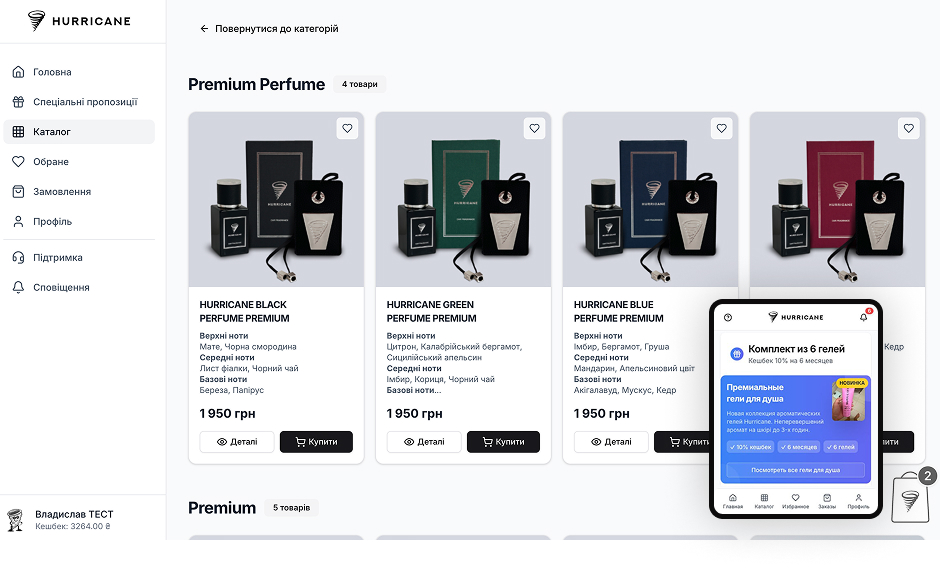
Web app + mobile app
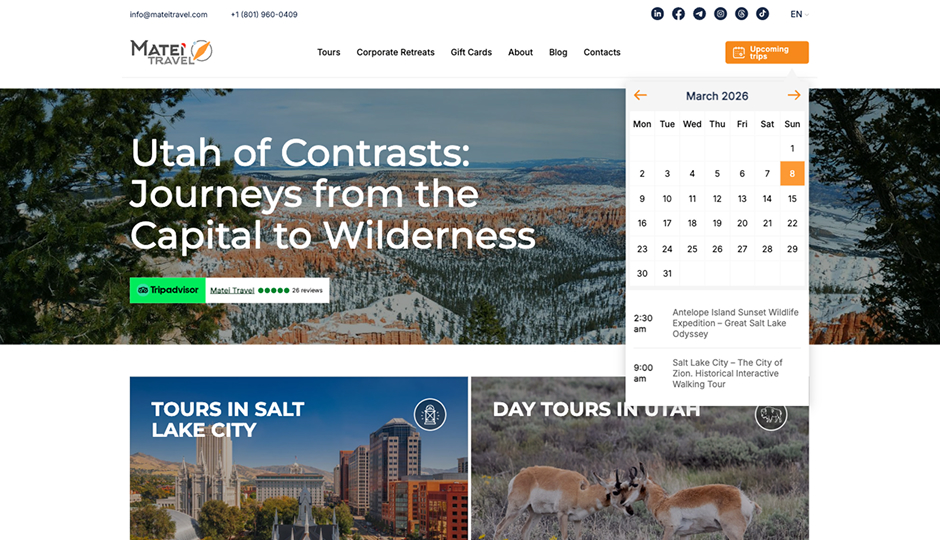
Booking platform
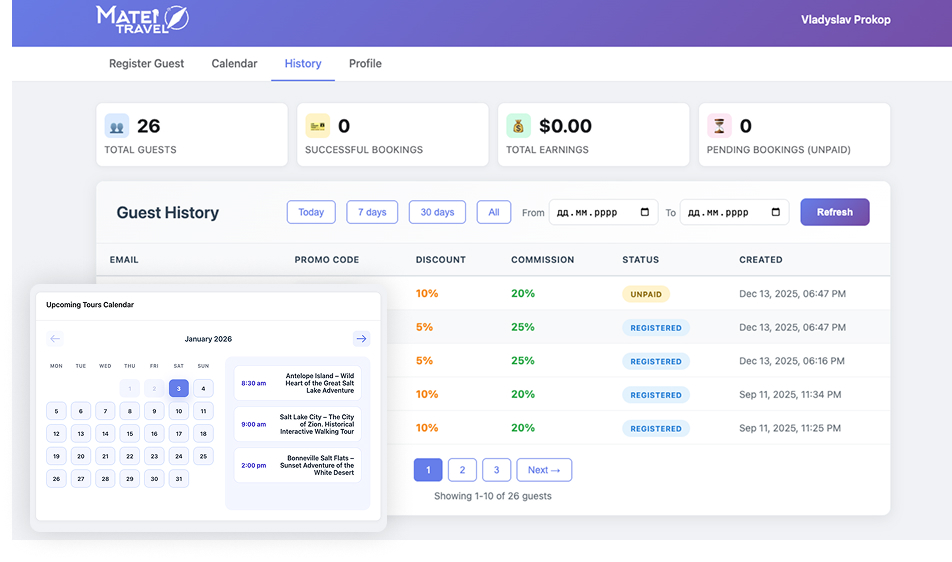
Partner portal
What happens after you reach out
You describe users, workflows, and the business result. We identify whether an app is the right build and what the first version must do. First reply within one business day.
User flows, feature list, backend needs, app store requirements, timeline, and fixed price — agreed before development starts.
Mobile screens, backend, and integrations are built together so the interface matches the data and workflow behind it.
Authentication, forms, payments, notifications, loading states, errors, and analytics are tested before release.
App store materials, release builds, tracking, and launch support are handled, then the next improvements come from real usage.
Next step
Send the users, workflow, and systems it must connect to. We will reply within one business day with the right first-version scope and clear next step.
FAQ
Mobile app cost depends on user roles, app screens, backend features, integrations, authentication, payments, notifications, and app store launch requirements. We fix the first-version scope, timeline, and price before development starts.
A mobile website is better for public information, SEO, and one-time visitors. A mobile app makes sense when users return often, need accounts, bookings, loyalty, notifications, field workflows, or mobile access.
Yes. We build cross-platform apps for iOS and Android when that fits the project, with one backend and one product plan across both app stores.
Yes. Apps can connect to your website, e-commerce store, CRM, booking system, payments, loyalty program, dashboards, and custom APIs when those integrations are part of the agreed scope.
Yes. We prepare the app store requirements, screenshots, metadata, builds, testing, and release support. App store approval still depends on Apple and Google review rules.
Yes, if the current codebase and app store access are available. We can review the app, identify the risks, and scope fixes or a rebuild based on the actual state.
Keep exploring
When the mobile app needs a serious backend, admin panel, portal, or operational system behind it.
When mobile buying, loyalty, and customer accounts start with a stronger store and checkout.
A premium perfume brand's connected commerce system with iOS and Android apps.
Mobile apps in Utah & across the US
Mobile app development is the planning, design, build, testing, and launch of an app for iOS and Android. At Otherwise Solutions it can include app strategy, UX flows, mobile interface design, backend APIs, authentication, payments, CRM integrations, push notifications, analytics, and app store release support — for product brands, booking companies, membership businesses, field teams, and SaaS products in Salt Lake City, Lehi, Provo, Draper, Sandy, Ogden, and across the United States.
The qualifying question comes first: a mobile app is worth building when users have a repeated job to do — book again, buy again, check status, use loyalty, manage an account, scan something, submit field data, or receive important notifications. An app without repeated use becomes an expensive icon, and we say so before scoping one.
We build cross-platform for iOS and Android from one codebase, which keeps the first version affordable and the two stores in sync. The app connects to the same backend and dataset as the website, so customers see one account, one order history, and one loyalty balance everywhere — the architecture behind the Hurricane build, where the store, iOS and Android apps, CRM, and cashback loyalty run as one system.
Mobile app pricing is scope-based: user roles, screens, backend logic, integrations, authentication, payments, notifications, testing, and store launch requirements decide the cost. Otherwise Solutions fixes the first-version scope, timeline, and price before development starts. The first release is the smallest app that serves the repeated job well; features earn their place from usage data, not from the launch wishlist.
App screens, states, and flows come from interface and product design; the backend, APIs, and admin tooling come from custom software development. One team across design, app, and backend is what keeps the data model, permissions, and user experience consistent instead of negotiated between vendors.
A focused first version typically takes a few months from scope to store release, including the part teams forget to budget: Apple and Google review, store listings, screenshots, privacy declarations, and test accounts for reviewers. We handle the release process as part of the project, because an app that is finished but not approved is not launched.
Apps themselves are discovered through app stores, referrals, ads, and the website around them. We build the service pages, app landing pages, FAQ content, schema, metadata, and analytics that help Google, AI tools, and app store visitors understand what the app does and who it serves.
After launch, the app becomes a measured product. Analytics, crash reports, support requests, retention, and user behavior show what to improve next. We add features, improve onboarding, connect more systems, and support future releases as the user base grows.
Contact
Send the basics: what you need, what exists now, and what business result matters. We will review it and reply with the next practical step.
Contact
Use the same contact form. Tell us what you need and we will reply with the next step.
Request sent
Your message was delivered. We will review the project details and reply with the next practical step.