The team starts designing before deciding
Assets get made quickly but do not add up to one recognizable direction.
 Get Project Plan
Creative Direction
We define the look, feel, typography, color, imagery, composition, and rules before money is spent producing disconnected assets.
Who this is for
Creative direction helps when a brand, campaign, website, or product launch needs a clear visual idea before pages, ads, decks, and assets are produced.
Assets get made quickly but do not add up to one recognizable direction.
Colors, imagery, type, and layout feel generic because no lane was chosen.
Without direction criteria, feedback becomes personal preference instead of business fit.
Designers and marketers remake work because the visual rules were never defined.
What is included
This service defines the creative lane, visual rules, sample applications, and handoff guidance.
We clarify audience, category, offer, competitors, references, and business goal.
Typography, color, imagery, composition, and material feel are defined.
The direction is tested on real page, campaign, or asset examples.
Guidance helps future assets stay consistent without redesigning the direction.
Tell us what exists now, what result you need, and what blocks progress. We will reply with the practical scope and next step.
Choosing the right scope
If many assets need one look, set the direction first.
If logo, color, and type are missing, identity is the foundation.
If rules are clear, production assets can start immediately.
Pricing
Creative direction cost depends on research depth, number of concepts, sample applications, stakeholder review, and production rules.
More category, competitor, and reference analysis adds strategy work.
One focused lane costs less than multiple visual directions.
Testing direction across web, ads, decks, and product screens adds scope.
More detailed production rules and examples add handoff value.
Proof
Creative direction should reduce debate and make every next asset easier to produce.
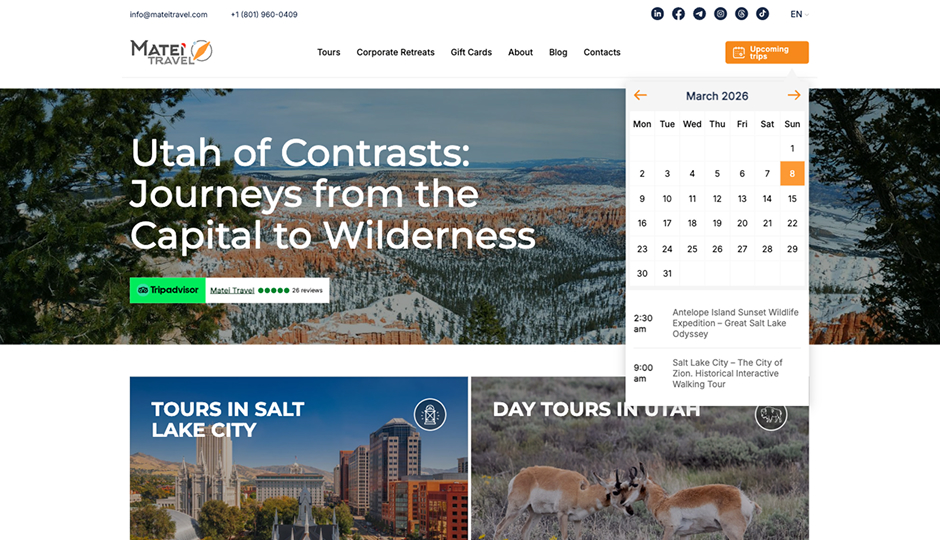
Search to sale
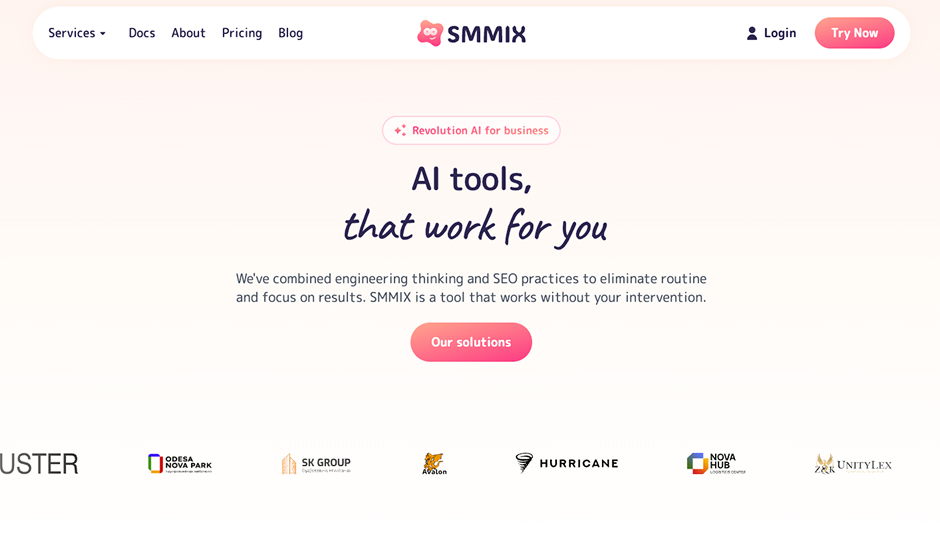
SaaS product
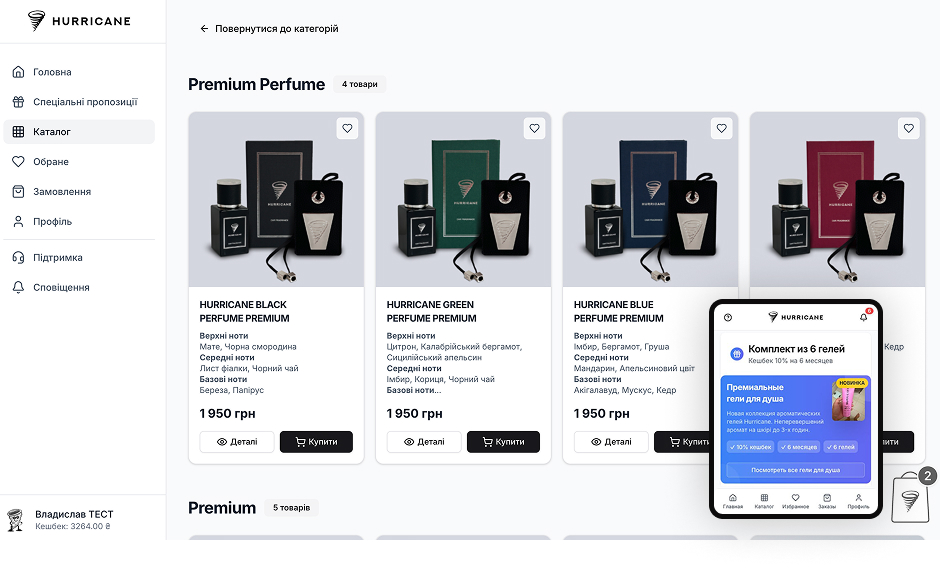
Connected commerce
What happens after you reach out
Audience, offer, campaign, market, and business objective shape the direction.
We identify what works, what to avoid, and what visual space is ownable.
The direction is shown through type, color, imagery, and sample layouts.
The lane is applied to real page or asset examples.
Production guidance keeps future design consistent.
Next step
Send the launch, campaign, or brand problem. We will reply with the right creative direction scope.
FAQ
It is the visual strategy for a brand, campaign, site, or launch: type, color, imagery, layout, tone, and rules.
No. Branding can include identity systems. Creative direction defines the visual lane for production.
Yes. Asset design can follow after direction is approved.
Yes. References help clarify taste, category expectations, and what should be avoided.
Yes. Creative direction can shape the visual system before page design.
Yes. Handoff guidance can be prepared for internal or external production teams.
Keep exploring
Service pages, trust, forms, CRM routing, and analytics built into the website from day one.
Focused campaign pages for one offer, one audience, and one measurable action.
Portals, dashboards, APIs, admin panels, and workflows when the business needs its own system.
Creative Direction in Utah & across the US
Creative direction defines the visual lane — typography, color, imagery, composition, and rules — before a brand, campaign, or website spends money producing assets. Otherwise Solutions provides creative direction for launches and rebrands in Utah and across the United States, so production starts with a decision instead of a debate.
The cheapest moment to fix a visual problem is before anything is produced. Direction set up front means every subsequent asset — pages, ads, decks, posts — lands in the same recognizable lane instead of accumulating one-off decisions.
A typical engagement runs two to four weeks from discovery to approved direction — short enough to precede a launch without delaying it, and deliberately scoped so the direction is decided while the production budget is still intact.
The direction arrives as a working document, not a mood board screenshot. Typography choices with hierarchy examples. A color system with roles — background, accent, signal — rather than a loose palette. Imagery direction with selected and rejected examples, because what to avoid is half the value. Composition and layout language shown on at least one real application: a hero section, an ad, or a product screen built with actual copy. And the rules page: what is fixed, what is flexible, and who decides edge cases.
Without a lane, stakeholders argue from taste and designers remake work. With one, feedback has criteria — does this fit the direction? — and production accelerates. Teams typically recover the direction investment within the first campaign through fewer revision rounds alone.
They stack. Brand identity is the foundation — logo, color, type. Creative direction is the strategy layer that interprets the identity for a campaign, site, or launch. Asset design and website design are the production layers that follow the lane. Skipping the middle layer is how brands with good logos still produce scattered campaigns.
Honest scoping cuts both ways. A single landing page inside an existing brand does not need a direction engagement — the existing system answers the questions. A business with no identity at all needs brand identity first, because direction interprets a foundation that has to exist. Creative direction earns its cost specifically when multiple assets, channels, or producers must align on one visual idea — below that threshold, we will say so and propose the smaller scope.
Product launches, campaign pushes, website redesigns, and rebrands — anywhere multiple assets must read as one idea. The direction can hand off to your internal team or flow straight into our own design and development production, as it did across the Blogent product, where one visual language runs from the marketing site to the product UI.
Contact
Send the basics: what you need, what exists now, and what business result matters. We will review it and reply with the next practical step.
Contact
Use the same contact form. Tell us what you need and we will reply with the next step.
Request sent
Your message was delivered. We will review the project details and reply with the next practical step.