The logo only works in one place
It looks acceptable on the homepage but fails on social, dark backgrounds, documents, or small sizes.
 Get Project Plan
Logo & Identity Design
We design logos as usable systems: mark, typography, color, usage rules, and files that work across website, social, proposals, signage, and campaigns.
Who this is for
Logo and identity design is for new businesses, rebrands, and teams whose current visuals fall apart across website, social, proposals, and ads.
It looks acceptable on the homepage but fails on social, dark backgrounds, documents, or small sizes.
Colors, fonts, spacing, and image style change from channel to channel, costing trust.
The company is more serious than the identity suggests, especially when buyers compare options.
Teams waste time recreating assets because there are no proper formats or rules.
What is included
This service creates a logo system and basic identity rules for real business use.
We explore directions against the business, audience, category, and usage needs.
The selected mark is refined into usable versions for different contexts.
We define the visual basics so future assets stay consistent.
You get practical file formats and rules for website, social, documents, and campaigns.
Tell us what exists now, what result you need, and what blocks progress. We will reply with the practical scope and next step.
Choosing the right scope
If recognition is valuable but execution is weak, refine the mark and usage system.
If channels look unrelated, logo alone is not enough. You need color, type, and rules.
If the business, audience, or offer changed, visual identity should follow strategy.
Pricing
Logo and identity cost depends on concept depth, number of use cases, refinement rounds, asset formats, and identity rules.
More strategic directions and exploration add time before final refinement.
Website, social, signage, proposals, packaging, and app icons each add practical constraints.
A logo-only package is smaller than a system with color, type, spacing, and examples.
More formats, variants, and handoff needs add production scope.
Proof
A good logo is not a single image. It is a system that keeps working when the business shows up everywhere.
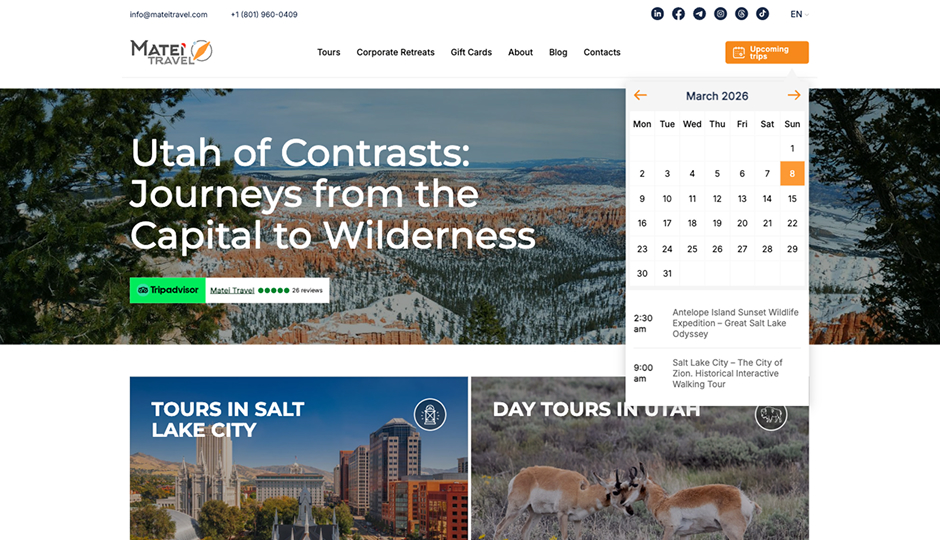
Search to sale
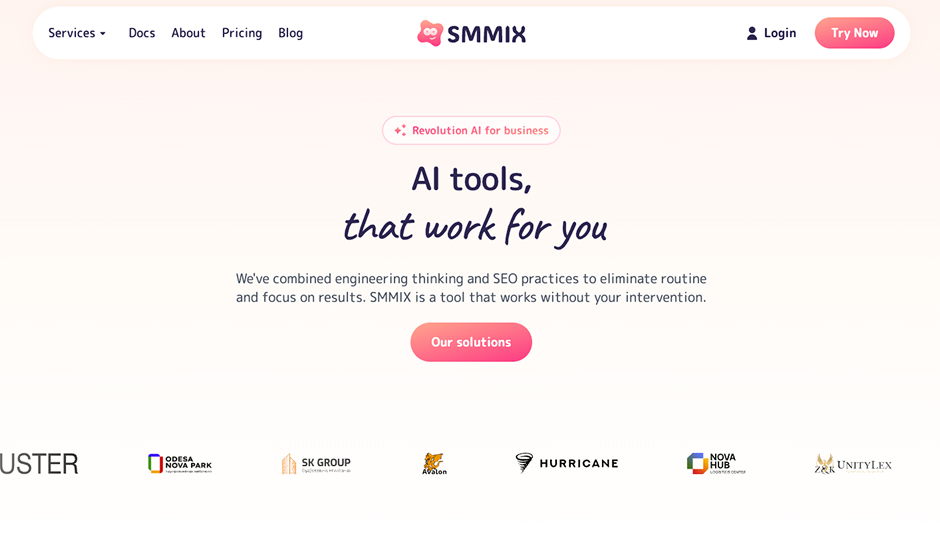
SaaS product
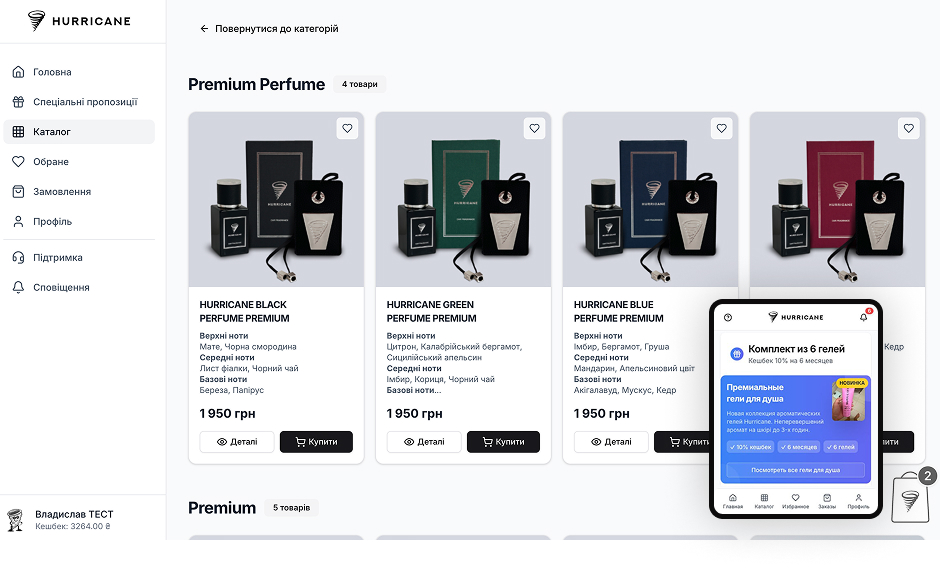
Connected commerce
What happens after you reach out
Offer, audience, category, usage needs, and current assets shape the direction.
Concepts are judged against real use, not just taste.
Mark, color, typography, and usage rules are finalized.
Website, social, documents, and small-size use are checked.
Final assets and rules are prepared for your team or our development work.
Next step
Send what exists now and where the logo needs to work. We will reply with the right identity scope.
FAQ
Yes, but we still check it against real usage so it works beyond one file.
Yes. Basic identity direction is included when it is part of the agreed scope.
Yes, if the current mark has value and does not need a full repositioning.
The exact export package is defined in scope, based on where the identity will be used.
Yes. Identity can feed directly into website or landing page design.
Yes. Usage rules can range from basic notes to a fuller identity guide.
Keep exploring
Service pages, trust, forms, CRM routing, and analytics built into the website from day one.
Focused campaign pages for one offer, one audience, and one measurable action.
Portals, dashboards, APIs, admin panels, and workflows when the business needs its own system.
Logo and Identity in Utah & across the US
Logo and identity design produces the mark, color, typography, and usage rules a business shows up with everywhere — website, social, proposals, signage, ads. Otherwise Solutions designs identities for new businesses and rebrands in Utah and across the United States, judged by one standard: the system has to survive real use.
A logo that only works on the homepage is a draft. The deliverable is a system — primary and secondary marks, small-size versions, color and type direction, and files your team can actually use without recreating assets every month.
Timing matters more than most founders expect. Identity is cheapest to fix before the website, the signage, and the ad accounts inherit it — which is why this work usually precedes a website build rather than following it. For established businesses, the trigger is usually a gap: the company outgrew the mark, and buyers comparing options can feel it.
Identity work starts with the business, not the sketchbook. We learn the offer, the audience, the category, and every place the mark must perform — website, social avatars, documents, vehicle or signage if relevant, app icons if planned. Concept directions are then judged against those real uses: how the mark reads at 24 pixels, on a dark background, next to competitors. One direction is refined into the final system, tested across touchpoints, and handed off with files and rules. The result is judged by a simple question: can your team produce something on-brand next month without calling a designer?
The decision follows what changed. If recognition has value but execution is weak, refresh the mark. If channels look unrelated, the gap is the missing system — color, type, and rules. If the positioning itself changed — new audience, new offer — the identity should follow strategy, and a rebrand is the honest scope. We help make this call in the first conversation, before any pricing.
A mark chosen on a large screen that disappears at favicon size. A palette with six equal colors and no rules, so every asset combines them differently. Display typography that cannot survive a paragraph of body text. A logo file that exists only as one PNG on someone's laptop. None of these are aesthetic failures — they are system failures, and they are why the deliverable here is rules and files, not a single image.
Buyers compare. A consistent identity across website, profile, reviews, and proposals reads as a company that has its act together — and that consistency is also an entity signal search engines and AI assistants use to connect mentions of your business across the web. The identity work feeds directly into website design and brand assets, and shows up live in builds like Hurricane, where one visual system runs across the store, apps, and campaigns.
Scope is set by concept depth, use cases, and the rules package. A focused logo system is a few weeks of work; identities that must perform across packaging, signage, apps, and campaigns take longer. Files and rules are delivered ready for your team — or for our own development work to implement.
Contact
Send the basics: what you need, what exists now, and what business result matters. We will review it and reply with the next practical step.
Contact
Use the same contact form. Tell us what you need and we will reply with the next step.
Request sent
Your message was delivered. We will review the project details and reply with the next practical step.