Sales materials look weaker than the offer
The work is strong, but proposals and decks do not make it feel trustworthy.
 Get Project Plan
Brand Assets
We design social graphics, ads, decks, proposals, campaign visuals, templates, and sales materials that follow one clear brand system.
Who this is for
Brand assets and collateral help when every deck, ad, proposal, and social post looks like it came from a different company.
The work is strong, but proposals and decks do not make it feel trustworthy.
No templates or rules means every launch starts from scratch.
The brand loses recognition because each channel uses different visuals.
People who should sell or market spend hours nudging design files.
What is included
This service creates campaign, sales, and content assets that follow one visual system.
We define which assets the business needs and how they should relate.
Visuals are designed to support specific offers, channels, and CTAs.
Sales materials get structure, hierarchy, proof, and brand consistency.
Templates help the team keep producing without redesigning each asset.
Tell us what exists now, what result you need, and what blocks progress. We will reply with the practical scope and next step.
Choosing the right scope
If the need is short-lived, focused campaign visuals may be enough.
If the team posts, pitches, or launches often, reusable templates save time.
If logo, color, and type are unclear, brand identity should come before collateral.
Pricing
Brand asset cost depends on asset types, number of formats, template depth, copy readiness, and revision needs.
Social graphics, ads, decks, proposals, and templates each need different layouts.
More channels and aspect ratios add production work.
Reusable editable systems cost more than final exported visuals.
Clear copy and proof speed up design. Vague messaging adds structure work.
Proof
Marketing visuals should do more than look branded. They should make the message easier to trust and act on.
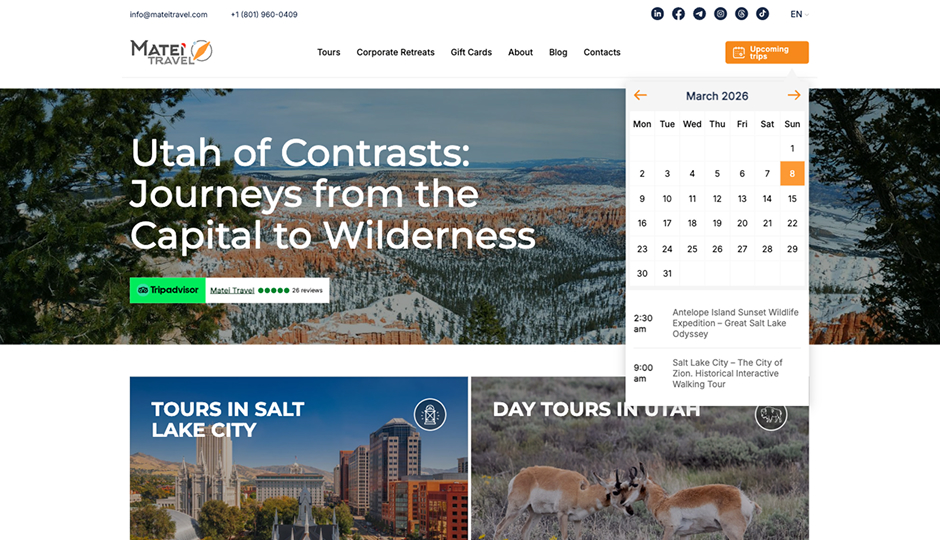
Search to sale
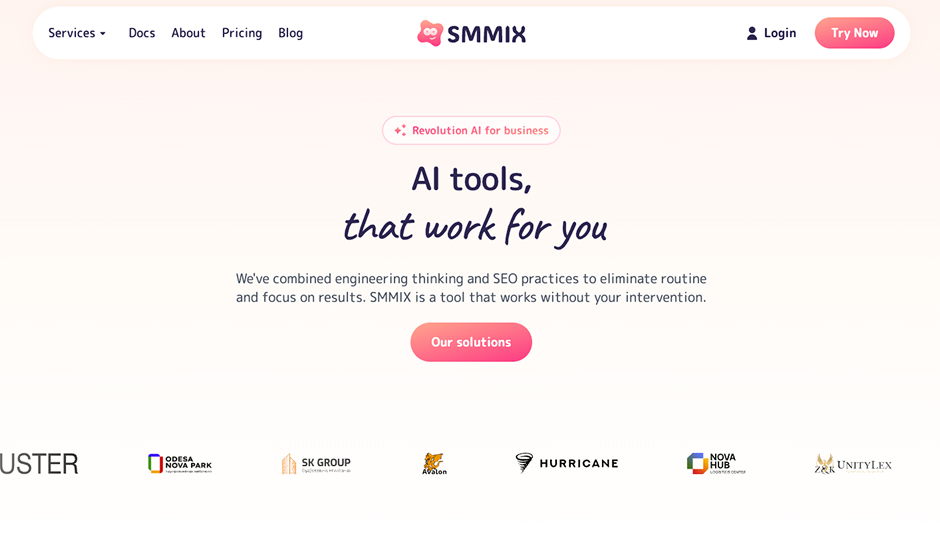
SaaS product
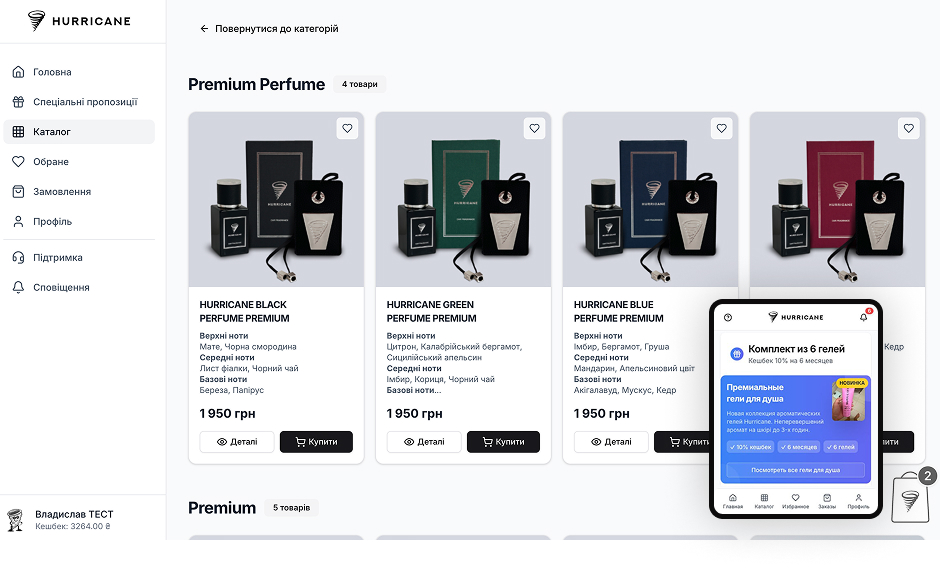
Connected commerce
What happens after you reach out
Channels, campaigns, sales steps, formats, and team workflow define scope.
Assets follow an agreed brand lane before production starts.
Priority assets are designed with real copy and proof.
Reusable layouts and rules help the team keep output consistent.
Final exports and editable files are delivered according to scope.
Next step
Send the assets you need and where they will be used. We will reply with the right design scope.
FAQ
Yes. Social templates can be included as editable assets.
Yes. Sales decks and proposals can be structured and designed.
If there is no clear logo, color, or typography direction, identity should come before asset production.
Yes. Ad visuals can be designed around a campaign offer and CTA.
Yes, if editable templates are included in scope.
Copy support can be included when needed, especially for decks and campaign assets.
Keep exploring
Service pages, trust, forms, CRM routing, and analytics built into the website from day one.
Focused campaign pages for one offer, one audience, and one measurable action.
Portals, dashboards, APIs, admin panels, and workflows when the business needs its own system.
Brand Assets in Utah & across the US
Brand asset design covers the materials a business markets and sells with — social graphics, ad creative, pitch decks, proposals, campaign visuals, and the reusable templates behind them. Otherwise Solutions designs these for teams in Utah and across the United States with one rule: every asset follows the same visual system, so each touchpoint feels like one company.
The economics favor systems over one-offs. A team that posts, pitches, and launches every month does not need fifty individual designs — it needs a core set plus editable templates the team can keep producing with.
Consistency compounds quietly. A buyer might meet the brand five times before contact — an ad, a social post, the website, a proposal, an invoice — and each consistent touch makes the next one more familiar. Scattered visuals reset that recognition to zero each time, which is the real cost of one-off design nobody invoices for.
For a service business running campaigns, the first delivery usually contains: a social template family (announcement, proof, offer, and quote formats per channel), two or three ad layouts tied to the current offer, a proposal and deck template with case study slides, and an export of usage rules. That set covers the recurring eighty percent of marketing output; one-off needs are then designed inside the same system instead of from scratch.
If output repeats — weekly posts, monthly campaigns, recurring proposals — templates pay for themselves within a quarter. If the need is a single launch, focused one-off visuals are the honest scope. And if there is no logo, color, or type direction to build on, brand identity has to come first; collateral cannot be consistent with a foundation that does not exist.
Assets exist to move a message. Ad creative pairs with landing pages that carry the same visual language through to the conversion. Sales decks pull proof from case studies. Campaigns inherit their look from creative direction when a bigger visual idea is at stake. The result is recognition: buyers see the same company at every step.
Templates are delivered in the tools your team works in — Canva, Figma, Google Slides, or PowerPoint — with locked brand elements and editable content zones, so consistency does not depend on design skill. Every delivery includes exports in the right sizes per channel, source files, and a short rules sheet covering the decisions people actually face: which logo version where, what to do when the photo is bad, how far the layout can stretch before it breaks.
Cost follows asset types, format count, and template depth. Final exported visuals are the smallest scope; editable template systems with usage rules are larger but compound in value. Clear copy and ready proof speed everything up — vague messaging is the most common source of extra revision rounds.
Contact
Send the basics: what you need, what exists now, and what business result matters. We will review it and reply with the next practical step.
Contact
Use the same contact form. Tell us what you need and we will reply with the next step.
Request sent
Your message was delivered. We will review the project details and reply with the next practical step.