Visitors wait for basic answers
Pricing, availability, services, process, and next steps get asked again and again while real leads wait.
 Get Project Plan
AI Chatbots
We build website AI assistants with clear knowledge, lead capture, qualification, CRM or Slack routing, and human handoff rules so visitors get help without losing trust.
Who this is for
AI chatbots are useful when visitors ask the same questions, leads arrive after hours, or sales needs better context before the first reply.
Pricing, availability, services, process, and next steps get asked again and again while real leads wait.
A name and email is not enough. The assistant can ask the right qualifying questions before handoff.
A chatbot without rules can overpromise, guess, or answer outside the business source of truth.
Chat data needs to route to CRM, Slack, email, or the right owner with the important details attached.
What is included
This service covers conversation design, knowledge structure, lead capture, routing, handoff rules, and launch testing.
We define what the assistant can answer, what it must ask, and when it must stop.
The bot collects the details your team needs before follow-up.
Conversations go where your team works, with context attached.
We test edge cases, missing information, bad prompts, and handoff behavior before launch.
Tell us what exists now, what result you need, and what blocks progress. We will reply with the practical scope and next step.
Choosing the right scope
If every visitor needs the same action, a strong form may convert better than a chat flow.
If responses require human nuance, live chat or call booking may be safer.
If known questions and qualification slow the team down, AI can handle the first layer.
Pricing
AI chatbot cost depends on knowledge base depth, conversation paths, lead fields, integrations, handoff rules, and testing requirements.
A simple FAQ bot costs less than a service assistant with detailed business logic.
More services, lead types, or decision branches add planning and testing.
CRM, Slack, email, calendars, and custom APIs add setup and verification work.
Regulated, high-stakes, or sensitive topics need stricter handoff and refusal rules.
Proof
Useful AI does not replace the team. It answers repeat questions, captures context, and sends people to the right next step.
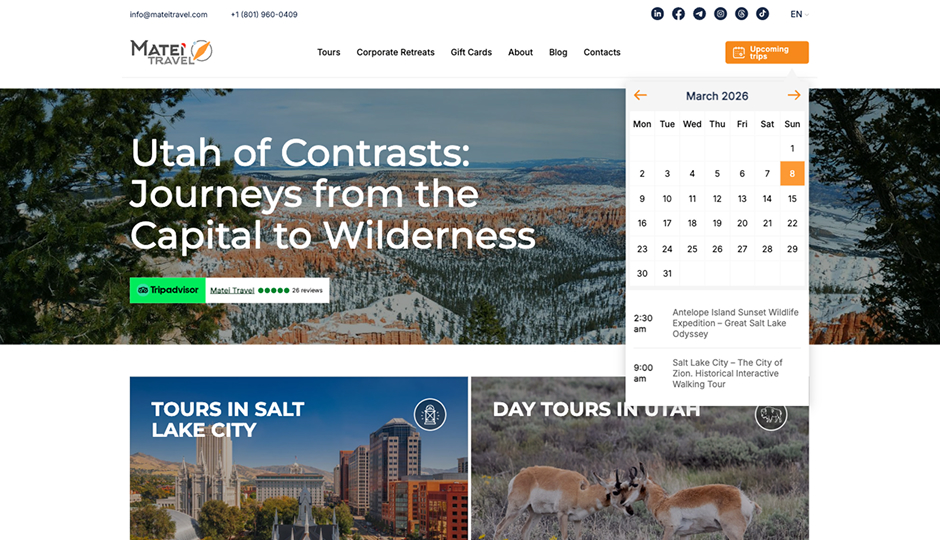
Search to sale
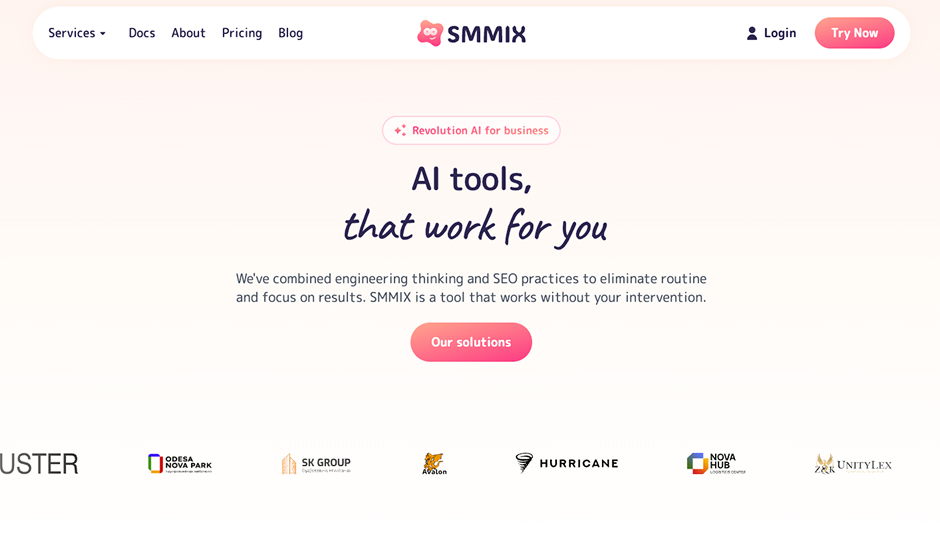
SaaS product
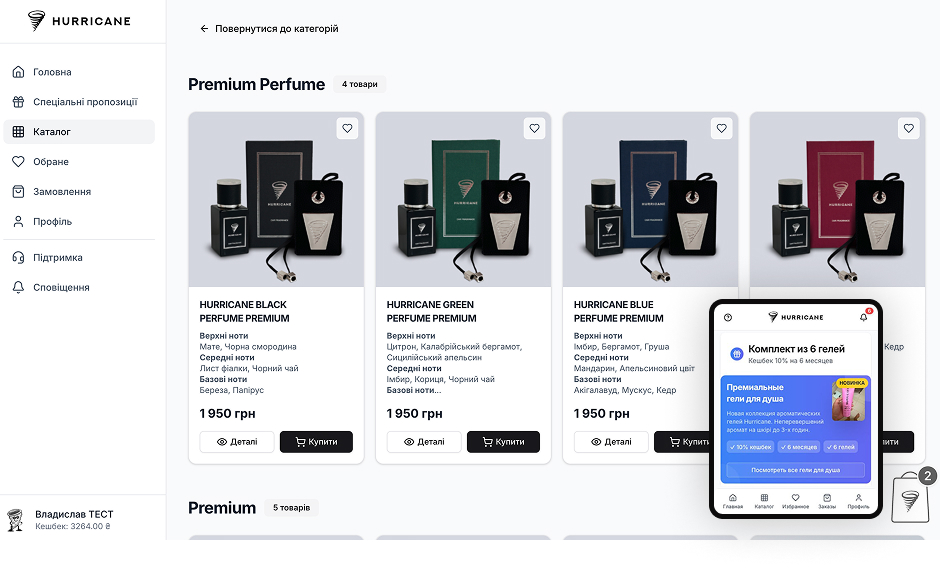
Connected commerce
What happens after you reach out
We define what visitors ask, what the bot may answer, and what must go to a human.
Conversation paths, lead fields, integrations, and handoff rules are agreed before build.
The assistant is wired to knowledge, forms, CRM, Slack, email, or booking where needed.
We check vague prompts, missing data, wrong expectations, and human handoff.
Real conversations show what answers and routing should improve next.
Next step
Send your website and the questions customers ask most. We will reply with the safest chatbot scope to start with.
FAQ
Yes, when the knowledge base and boundaries are clear. We define what it may answer and when it hands off.
Yes. It can ask qualifying questions, collect contact details, and send a summary to your team.
Yes, if the tools and access are available in the agreed scope.
No. It should handle repeated questions and route the rest to people.
It should say so and hand off. We do not design it to guess.
Yes. We can review knowledge, prompts, routing, and failure paths.
Keep exploring
Portals, dashboards, APIs, admin panels, and workflows when the business needs its own system.
Service pages, trust, forms, CRM routing, and analytics built into the website from day one.
A paid AI SaaS product with subscription billing and multi-model content workflows.
AI Chatbots in Utah & across the US
An AI chatbot is a website assistant that answers known questions, qualifies leads, and routes conversations to your team with context attached. Otherwise Solutions builds AI chatbots for service businesses, stores, clinics, and SaaS teams in Utah and across the United States — with knowledge boundaries and human handoff designed in from the start.
The honest framing matters: a chatbot does not replace sales or support. It is the first layer — the one that answers pricing, availability, and process questions at 11pm, collects the details your team needs, and makes sure the conversation lands in the right inbox by morning.
The businesses that benefit most share one trait: inquiries arrive when nobody can answer them. Contractors and home services fielding quote requests in the evening, clinics with scheduling questions, tour and rental operators with availability questions, e-commerce stores with order and shipping questions, and SaaS teams whose trial users hit the same onboarding walls. If your team types the same five answers every week, those answers are the chatbot specification.
Most clients start with the same practical bundle: a knowledge base built from the website, FAQs, and a structured interview with the team; an assistant that answers service, pricing-logic, and process questions; a qualification flow that asks three to five questions a salesperson would ask; and routing that delivers the transcript and a summary to CRM, Slack, or email. That scope covers the bulk of repeated conversations for a service business, launches fast, and produces data about what visitors actually ask — which then drives the second iteration.
Boundaries. The assistant answers only from the business source of truth, refuses topics outside it, and never invents prices, promises, or availability. We test edge cases — vague prompts, missing data, wrong expectations — before launch, because one confident wrong answer costs more trust than a hundred good ones earn.
A chatbot earns its keep in four measurable ways: leads captured outside business hours that previously bounced; faster first response, which consistently correlates with higher close rates; sales conversations that start with context instead of cold discovery; and repeated questions deflected from email and phone. We set these baselines before launch — current response time, after-hours inquiry loss, support volume on known questions — so the comparison after a month is data against data, not impressions against hopes.
A focused FAQ-and-lead-capture assistant is the smallest scope and typically launches in weeks. Cost grows with knowledge depth, conversation branches, integrations, and risk level — regulated or high-stakes topics need stricter refusal and handoff rules. Scope and price are fixed before build starts.
A chatbot is one entry point into the same lead pipeline the website serves. It works best on a site whose pages already explain the offer — see business website development — and alongside workflow automation that moves the captured lead through follow-up. The broader brand-trust layer for AI systems is covered in how to earn AI trust in your brand.
Contact
Send the basics: what you need, what exists now, and what business result matters. We will review it and reply with the next practical step.
Contact
Use the same contact form. Tell us what you need and we will reply with the next step.
Request sent
Your message was delivered. We will review the project details and reply with the next practical step.